Fases y Caras de Cambio∙Phases and Faces of Change
Environmental Injustices, Sustainability Lessons, and Climate Hope from an Indigenous Bribri community in Talamanca, Costa Rica
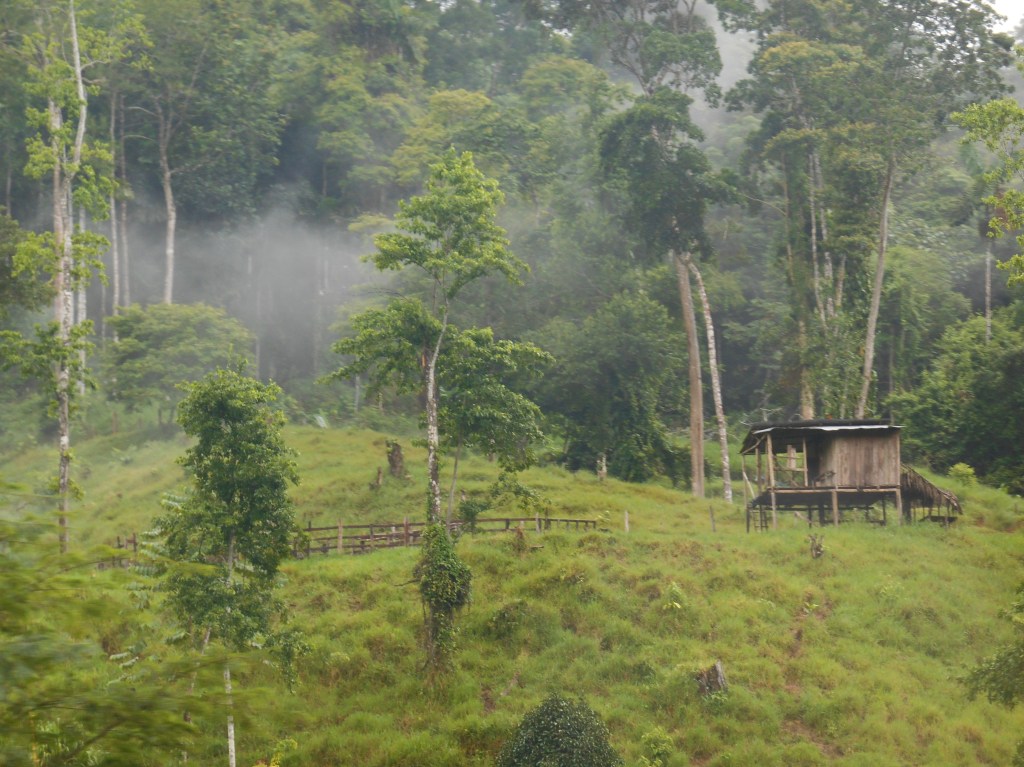
It has been known for decades (by the Western world, forever among many others) that our Indigenous communities harbor immense social ecological memory dating back hundreds, often thousands of years, equipping them with the most expansive knowledge of environmental rhythms and changes. The Anthropocene has introduced and influenced unprecedented shifts in these historically predictable rhythms, making today’s multifaceted polycrisis particularly difficult to combat. Legacies, roots, and frameworks derived from colonialism have morphed into the modern day’s threat of capitalism, industrialization, commodification of all goods (including needs; especially needs), privatization of social welfare, and corporate monopoly of almost every market and economy. We have been stripped of our human rights to food, water, shelter, health and community, so much so that one must suffer to earn a right to survive. This must not be our fate.
Caras de Cambio | Faces of Change is a culmination of ethnographic research collected through interviews, neighborhood strolls, mealtime conversations, community meetings, and storytelling sessions in Yorkin, a remote pueblo situated in the Bribri Indigenous Zone of Talamanca, Costa Rica. Home to less than 350 people, Yorkin has preserved many culturally significant Bribri lifeways, and fosters a community that thrives on a hybrid model of subsistence living and non-extractive, need-based economic pursuits. This research investigates Yorkin’s experiences with and responses to colonization, modernization, and climate change through essays, audios, photos, and excerpts, highlighting the community’s agricultural, economic, and spiritual struggles, as well as their resilience in the face of ongoing change.
 Phases and Faces of Change | Fases y caras de Cambio